Blue Mistflower
Conoclinium coelestinum
Click here to download a PDF of this plant information page (for printing).
Sun Exposure: Full Sun, Part Sun
Season of Interest: Late Spring, Summer Fall
Bloom Time: May - October
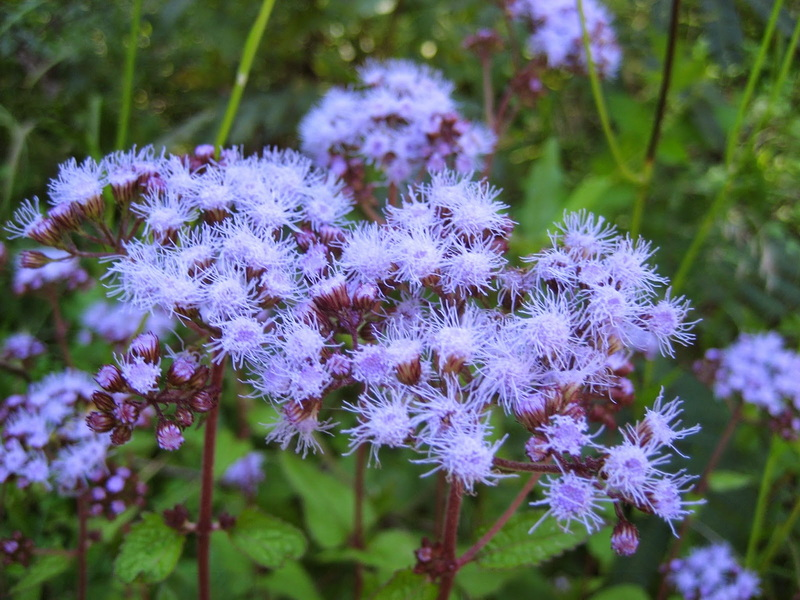
Bloom Color: Light Blue
Height: 18 to 36 in.
Spread: 18 to 36 in.
Spacing: 36 in.
Water Needs: Avberage
Maintenance: Very little
Soil Type: Clay, Loam, Sandy
Soil pH: Acidic, Neutral
Soil Drainage: Well drained, Moist
Pests: Leaf miners, Aphids
Diseases: None
Wildlife: Bees, Butterflies
Description:
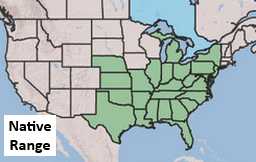
Blue Mistflower is a member of the sunflower family (Asteraceae). It is native to the central and eastern United States, with the exception of New England. This wildflower inhabits meadows and grasslands, floodplains, along streams, and in roadside ditches, and is primarily adapted to moist soils. It produces vibrant clusters of small, fluffy blue flowers, set against a backdrop of lush greenery. Each flower appears as a fluffy pillow, and all together, these showy blooms have a soft and fuzzy appearance. Blue mistflower is a medium-sized herbaceous perennial. It develops several vertical stems and grows to three feet tall. Each stem is lined with opposite, bright green leaves with serrated edges. The leaves have a slightly crinkly texture, allowing you to easily distinguish them from other leafy vegetation before they begin flowering. Under favorable conditions, these plants spread quickly by both rhizomes and self-seeding. Solid boundaries, deep shade, and drier soil will limit their spread. For more information see:
plants.ces.ncsu.edu/plants/conoclinium-coelestinum
Care and Growing Tips:
If you can provide a sunny or partially sunny habitat with consistently moist soil, you’re ready to grow blue mistflowers. Your greatest challenge will likely be keeping your plants contained. If you provide good growing conditions, they can spread quickly. Blue mistflower prefers a location with full sun or light shade. Shade-grown plants tend to lean towards the light but light shade is fine. Try to find a location where they receive at least four hours of direct sunlight each day for the most robust and compact growth. These thirsty perennials love moist soil. If possible, grow them in a location with naturally moist soil so you won’t need to worry about watering. During periods of drought, give mistflowers an occasional deep watering to prevent them from drying out. The best soil for this plant is organically rich and fertile, although they can tolerate average-quality soil. They are tolerant of high heat and humidity, as well as freezing winter temperatures. Thin them regularly by removing unwanted seedlings and dividing larger colonies. Deadhead spent flowers to help control aggressive self-seeding.