Jerusalem Artichoke
Helianthus tuberosus
Click here to download a PDF of this plant information page (for printing).
Sun Exposure: Full Sun, Part Sun
Season of Interest: Summer, Fall
Bloom Time: July - October
Bloom Color: Yellow
Height: 6 to 10 ft.
Spread: 3 - 5 ft.
Spacing: 5 ft.
Water Needs: Average
Maintenance: Very little
Soil Type: Clay, Loam, Sandy
Soil pH: Acidic, Neutral, Alkaline
Soil Drainage: Well drained
Pests: Slugs
Diseases: Rust, Leafspot, Powdery mildew
Wildlife: Bess, Butterflies
Description:
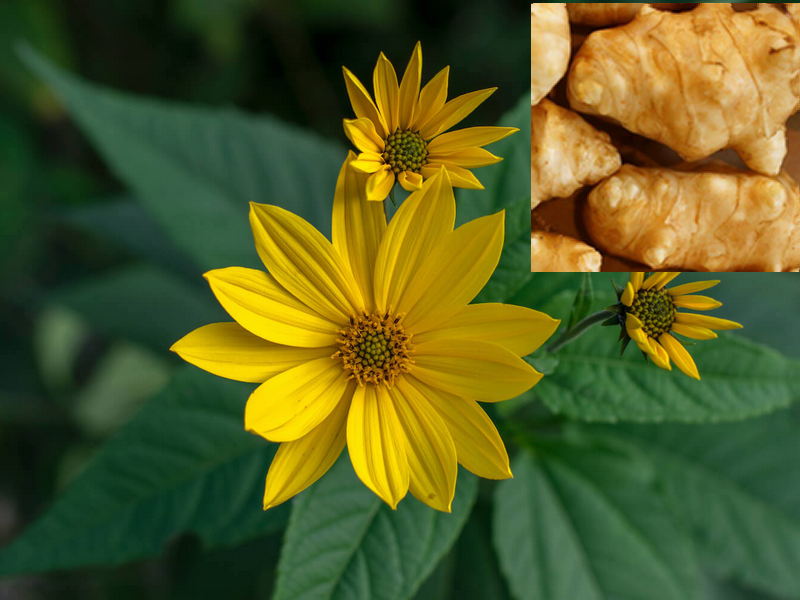
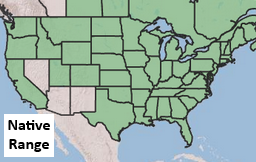
Jerusalem artichokes, also called sunchokes, are root vegetables that are eaten and prepared much like potatoes but with lower starch. Contrary to their name, Jerusalem artichokes are not related to artichokes nor do they have anything to do with the city of Jerusalem. They are native to North America and are very easy to grow—to the point of almost being considered invasive. This is the perfect vegetable for those new to gardening. While producing attractive yellow flowers on tall stems, you'll enjoy a better harvest if you remove the flowers and allow the plant to channel all of its energy into developing large, tasty tubers for an abundant harvest. Best planted in the spring a few weeks before your last frost date, Jerusalem artichokes will grow at a moderate pace and reach maturity in about 20 weeks. For more information see:
plants.ces.ncsu.edu/plants/helianthus-tuberosus
Care and Growing Tips:
Jerusalem artichokes can be planted in areas of your garden where more fussy vegetables won't grow. The plants grow tall with tubers spreading quickly, and the plants can easily take over an entire bed. Consider dedicating a bed just to sunchokes. Make sure they won't shade other crops and consider using a root barrier to stop their spread into unwanted areas. If you do plant them with other veggies, good companion plants include corn and rhubarb. Their height and toughness mean they can act as a good windbreak for more sensitive plants.
Jerusalem artichokes can be grown in full sun or partial shade. If they get at least six hours of sun a day, this will help ensure the best yield. These root vegetables can grow in just about any soil— they have even been known to produce harvests in heavy clay soils, although the yield is not as impressive. They just won't tolerate soggy conditions. However, they grow best in loose, well-drained, fertile, slightly acidic soils. Once established, they can handle periods of drought. But, for the best yield, a regular and even once-weekly watering schedule during the growing season is recommended, especially while they are establishing. Fertilizers are not generally needed for growing Jerusalem artichokes. If your soil is exceptionally poor, add some organic matter to ensure a high yield.