Tennessee Glade Fern
Homalosorus pycnocarpos
Click here to download a PDF of this plant information page (for printing).
Sun Exposure: Part Sun, Shade
Season of Interest: Spring, Summer, Fall
Bloom Time: N?A
Bloom Color: Green
Height: 24 to 36 in.
Spread: 24 to 36 in.
Spacing: 36 in.
Water Needs: Average
Maintenance: Very little
Soil Type: Clay, Loam, Sandy
Soil pH: Acidic, Neutral, Alkaline
Soil Drainage: Well drained
Pests: None
Diseases: None
Wildlife: None
Description:
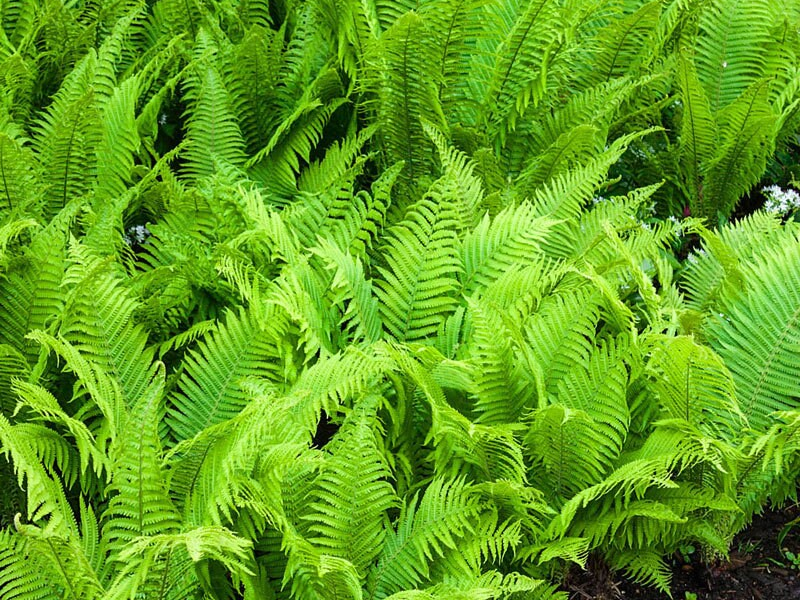
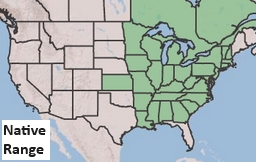
Homalosorus is a genus of fern with only one species, Homalosorus pycnocarpos or Tennessee Glade Fern. It is endemic to eastern North America and typically grows in moist woodlands. This fern grows from creeping stems. Its clustered fronds grow to about 36 inches long and 6–8 inches wide but this fern is the "minimalist" of the fern world. While many ferns are famous for their complex, lacy textures, the Glade Fern opts for a clean, streamlined look that brings a sense of calm and order to shaded woodland gardens. It is a beautiful plant that emerges in a vibrant, almost translucent green each spring. Each leaflet is remarkably smooth-edged and tapers to a fine point, giving the plant a soft, feathery silhouette. On the underside of fertile fronds, the spore cases (sori) are arranged in straight, angled lines that create a distinct "herringbone" or "V" pattern. For more information see:
plants.ces.ncsu.edu/plants/homalosorus-pycnocarpos
Care and Growing Tips:
This fern grows in partial to full shade. Generally, dappled shade is best. Leaves can turn yellow and burn if exposed to full sun. Only if planted in an especially cool, moist location will it tolerate full sun. It grows best in soil that is moist, alkaline, and rich in organic matter, but it will tolerate clay soil. Native to marshes and creekbeds, they will tolerate some erosion and a lot of moisture. Water throughout the summer to maintain medium to wet conditions. Do not let soil dry out completely. Without enough moisture, the plant might go dormant too early in the growing season. While it is not necessary to fertilize an glade fern, if you are fertilizing other plants nearby, lightly fertilize the ferns. Do not overfertilize because these ferns are very sensitive to too much fertilizer.