Cardinal Flower
Lobelia cardinalis
Click here to download a PDF of this plant information page (for printing).
Sun Exposure: Full Sun, Part Sun
Season of Interest: Summer
Bloom Time: July - September
Bloom Color: Red
Height: 36 to 42 in.
Spread: 12 to 18 in.
Spacing: 16 in.
Water Needs: High
Maintenance: Very littke
Soil Type: High in organic matter
Soil pH: Neutral
Soil Drainage: Can be wet
Pests: None
Diseases: None
Wildlife: Bees, Butterflies, Hummingbirds
Description:
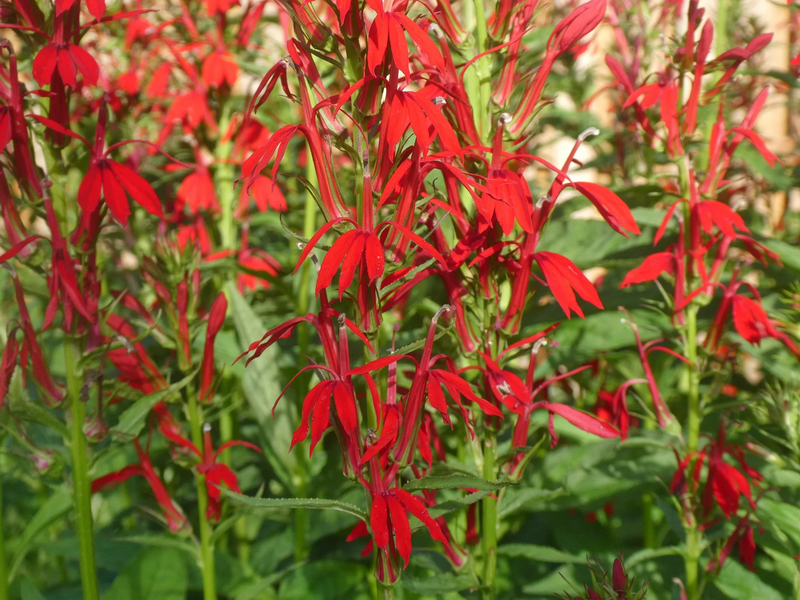
Named for the vivid red color of a Roman Catholic cardinal's robe, the cardinal flower produces intense red blossoms at a time when many other perennials are declining in the summer heat. This plant is an excellent choice for naturalizing and wildflower meadows, but you'll also enjoy growing cardinal flowers in perennial borders. These Lobelia flowers are tall perennials that thrive in USDA plant hardiness zones 1 through 10. Tall spikes of brilliant red, trumpet-shaped flowers rise above the dark green foliage. Growing cardinal flowers bloom during summer and sometimes into fall. Most insects struggle to navigate the long necks of the trumpet-shaped flowers, so cardinal flowers depend on hummingbirds for fertilization. The bright red color of the flowers and the sweet nectar attract many species of hummingbirds and growing cardinal flowers are ideal for use in hummingbird gardens. For more information see:
plants.ces.ncsu.edu/plants/lobelia-cardinalis
Care and Growing Tips:
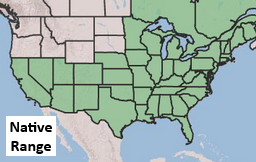
In hotter climates, cardinal flower will do best with afternoon shade to provide shelter from the intense heat. It does well in rich, moist-to-wet soil that often causes other plants to collapse with rot, but it struggles in dry, barren soils. To help retain soil moisture, try adding a layer of mulch around your plants. Amending soil with heavy amounts of compost can also improve soil moisture levels. Cardinal flower can routinely handle the wide range of temperatures across USDA zones 2 to 9. It is known to survive down to -34°F, and some zone 1 gardeners have grown it successfully. Since cardinal flowers love moisture, higher humidity levels are ideal; these plants aren't well suited for arid climates. And they generally do not require fertilizer throughout the year. Adding compost and organic material in the late winter or early spring will provide the necessary nutrients for the growing season ahead. This one-time application is generally sufficient for healthy growth.