Common Blackberry
Rubus allegheniensis
Click here to download a PDF of this plant information page (for printing).
Sun Exposure: Sun, Part Sun, Shade
Season of Interest: Summer
Bloom Time: June
Bloom Color: White
Height: 4 to 8 ft.
Spread: 4 to 10 ft.
Spacing: 8 ft.
Water Needs: Average
Maintenance: Romove old canes
Soil Type: Clay, Loam, Sandy, Rocky
Soil pH: Acidic (pH < 6.0)
Soil Drainage: Well drained
Pests: None
Diseases: None
Wildlife: Bees, Butterflies
Description:
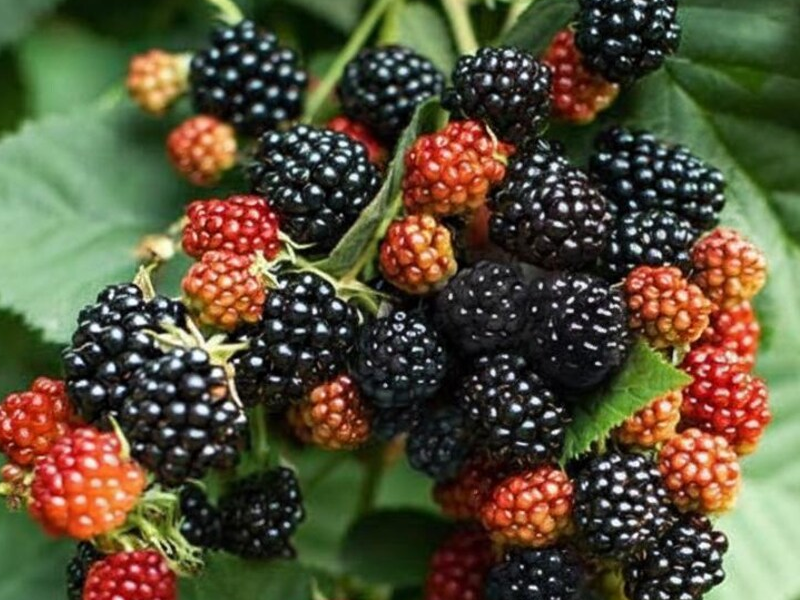
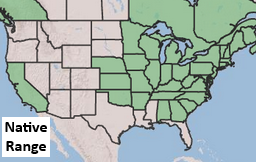
Blackberries are often considered one of the easiest fruits to grow at home. They are a native species to the United States and grow as a small shrub. The fruit from this plant can be used for table fruit, syrup, jams and jelly. The Common Blackberry is a native multi-stemmed shrub in the rose family native to Eastern Canada and the USA. The red-purple stems start out erect but arch with age and are lined with prickles. The native habitat is forests, woodlands and grassy balds. They bloom in late spring or early summer and produces fruit in the summer. It is a woody shrub with canes that are initially erect but often bend downward to re-root in the ground. These canes actively grow and form leaves during the first year, and develop fruits during the second year, after which they die down. This plant often forms loose colonies via underground runners. It grows easily and quickly from transplants or cuttings of young growth planted in a site with full sun to light shade and rich fertile soil. It is a wildlife-friendly plant providing food for pollinators birds and a variety of mammals. For more information see:
plants.ces.ncsu.edu/plants/rubus-allegheniensis
Care and Growing Tips:
Full sun is ideal for productive blackberry bushes, though they can tolerate some afternoon shade in hot climates. The soil should be slightly acidic and well-drained. Keep a 1 to 2 inch layer of mulch over the root zone at all times to preserve soil moisture and suppress weeds. Blackberries need moderate amounts of water, around 1 inch per week provided either by rainfall or from ground-level irrigation. Blackberries do not fare well in wet soils. Fertilize blackberries in spring as they emerge from dormancy and again after harvest in late summer or fall, using a balanced 10-10-10 formula. Fertilize plants again just after the harvest. Blackberries are self-pollinating, so you will not need multiple plants for fruit production. Bees and other insects will assist in pollination.