Thornless Blackberry
Rubus canadensis
Click here to download a PDF of this plant information page (for printing).
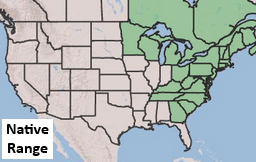
Sun Exposure: Full Sun, Part Sun
Season of Interest: Summer
Bloom Time: May - June
Bloom Color: White
Height: 7 to 10 ft.
Spread: 6 to 12 ft.
Spacing: 12 ft.
Water Needs: Average
Maintenance: Romove old canes
Soil Type: Clay, Loam, Sandy, Rocky
Soil pH: Acidic (pH < 6.0)
Soil Drainage: Well drained
Pests: None
Diseases: Honey fungus
Wildlife: Bees, Butterflies
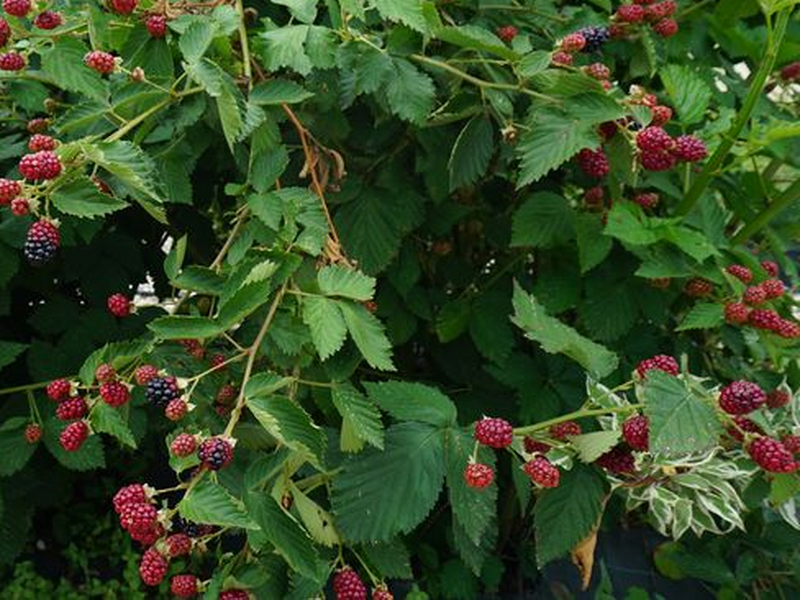
Description:
The Thornless Blackberry belongs to the Rosaceae family, which includes roses, strawberries and apples. It grows up to 7-10 feet tall and is a deciduous shrub with upright stems that grow in dense clusters. It bears large edible fruits which black in color. The leaves are green and have three to five lobes. When they bloom, they produce beautiful white flowers with five petals that turn into the fruits. The fruits produced by this plant are commonly used for culinary purposes. They are naturally sweet and flavorful, making them a great addition to various dishes such as pies, jams and syrups. The young leaves of the plant have also been used to make tea. The plant has also been used in various ways by indigenous people, such as the relining of baskets or using the bark stock for medicinal purposes. Thornless Blackberry is also a great ornamental plant for landscaping purposes. It is a low maintenance plant, and its fruits are loved by birds and other wildlife. Overall, it is a versatile plant that has various uses, from culinary to medicinal. It is a wonderful addition to any garden, both for its attractive appearance and usefulness. For more information see:
plants.ces.ncsu.edu/plants/rubus-canadensis
Care and Growing Tips:
Thornless Blackberry plants prefer to grow in partial shade to full sun. They can tolerate some shade, but may produce fewer flowers and fruit in lower light conditions. In full sun, the plant can produce more fruit, but may need additional watering to prevent drying out. It prefers well-draining, fertile soil that is rich in organic matter. It can grow in a wide range of soil types, including sandy, loamy, or clay soils. The soil should have a pH between 5.5-7.0 for optimal growth. The addition of compost or other organic matter can improve soil fertility and drainage. The Rubus canadensis requires consistent and regular watering. It is important to ensure that the soil is consistently moist but not waterlogged. During the growing season, the plant requires a minimum of 1 inch of water per week. Fertilization is essential for the proper growth and development of the fruit. The plant should be fertilized once a year, preferably in early spring, using a balanced 10-10-10 fertilizer. Inorganic fertilizers can be used, but organic fertilizers such as compost or well-rotted manure are preferred as they provide nutrients to the plant and improve the soil quality. Pruning is an essential part of caring for all blackberries. It is advisable to prune the plant in the late winter or early spring when it is dormant. Pruning involves removing the old and dead canes as well as cutting back the lateral branches to a maximum of 18 inches. This process promotes new growth, increases fruit yield, and prevents overcrowding.