Wood Poppy
Stylophorum diphyllum
Click here to download a PDF of this plant information page (for printing).
Sun Exposure: Part Sun, Shade
Season of Interest: Spring
Bloom Time: April - May
Bloom Color: Bright Yellow
Height: 10 to 14 in.
Spread: 9 to 12 in.
Spacing: 12 in.
Water Needs: High
Maintenance: Deadhead
Soil Type: Clay, Loam, Sandy
Soil pH: Acidic, Neutral
Soil Drainage: Well drained
Pests: None
Diseases: None
Wildlife: Bees
Description:
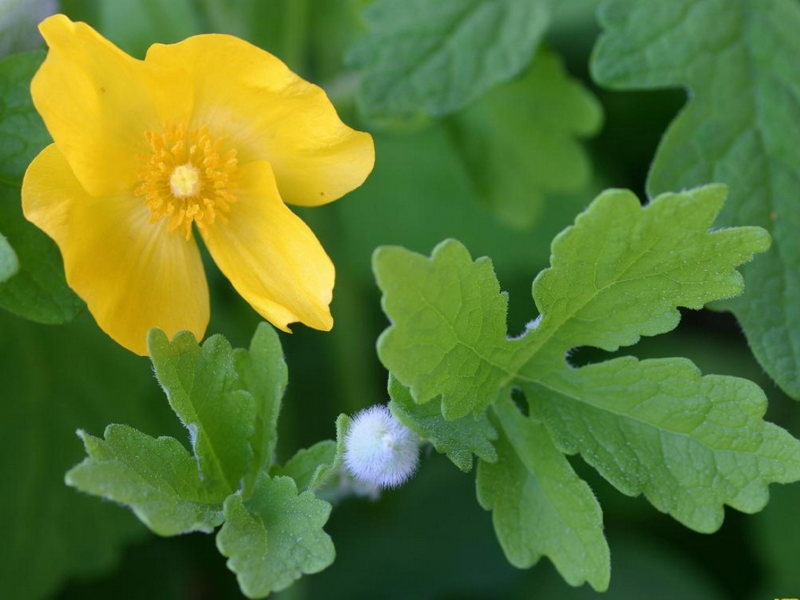
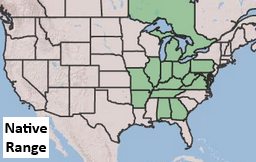
The Wood Poppy, also known as the Celandine Poppy, is a member of the poppy family (Papaveraceae). This long-lived herbaceous perennial wildflower is native to eastern North America. This poppy loves plenty of shade and moisture and would be an ideal option for a moist woodland garden or rain garden. It blooms early in the year, welcoming spring with its cheerful, pure yellow flowers. Use this shade plant as a spring-blooming companion to your other woodland perennials. It can be easily incorporated into colorful arrangements of other wildflowers, ferns, and foliage plants.
In its natural environment, the wood poppy is easily out-competed by invasive species and is highly sensitive to habitat loss. Although it can grow into dense colonies, these colonies are rare and localized. Under the right conditions, these plants will spread readily by self-seeding. Eventually, they will form vast colonies on the forest floor. As the days get warmer and the soil dries out, they go dormant until the following winter and spring. The bright yellow flowers appear with bristly stems and fuzzy seed pods. They have deeply cut, wavy-edged, geranium-like leaves that emerge in late winter or early spring. Shortly after leaf-out, the flowers bloom in mid to late spring. Each flower is between one and three inches across and typically has four petals. The flowers are entirely bright yellow and very showy. The flowers attract pollinators, and pollinated flowers develop showy seed pods. The seed pods are oblong and shaped like a little green football and are covered with little whitish hairs, which give them a somewhat furry appearance. At maturity, the pods split open to reveal several tiny, shiny black seeds. For more information see:
plants.ces.ncsu.edu/plants/stylophorum-diphyllum
Care and Growing Tips:
Wood Poppies are easy to grow given a mild climate with plenty of shade and moist soil. Partial to full shade is best, including dappled sunlight, as long as your plants are not in any harsh, direct afternoon sunlight. These plants will do very well with less than two hours of sunlight each day. They also need moist, well-drained soil and supplemental water during drought to avoid premature dormancy. The soil around your wood poppies should be organically rich, moist, and fertile. These plants will tolerate a variety of soil types as long as the soil stays moist. The soil pH should be slightly acidic to neutral. These plants perform well in USDA Plant Hardiness Zones 4-9. They withstand freezing temperatures just fine but do not like arid dry conditions. Fertilization is unnecessary if the soil is rich in organic matter. Regularly deadhead plants to prevent self-seeding and prolong their blooming season. Mulching around your plants will help preserve soil moisture and also deter weeds.